The Essential Role of Distribution in the Content Lifecycle
The passive "build it and they will come" approach is obsolete. Currently, content promotion defines the active, multi-channel amplification strategy essential for maximizing audience reach. Practical experience shows that even the most compelling content, such as a data-heavy industry report, remains invisible without a strategic distribution plan.
This challenge highlights the critical need to:
- Overcome increasing content saturation.
- Build genuine, long-term audience engagement.
Effective promotion directly impacts SEO by driving traffic and earning backlinks, which ultimately enhances brand authority. For a comprehensive overview of these dynamics, see content promotion.
Core Pillars of a Sustainable Promotion Strategy
A sustainable promotion strategy rests on foundational principles that ensure long-term impact. First, aligning promotion tactics with specific business objectives is paramount. Every distribution channel and message must directly serve high-level goals, such as brand awareness or lead generation, to prevent wasted effort. Field observations indicate that this strategic clarity drives superior ROI.
Next, identifying and segmenting target audience personas is critical. Practical experience shows that understanding specific audience pain points and preferred platforms enables highly targeted, effective distribution that moves beyond broad, generic outreach.
Finally, optimizing content for search intent before distribution is non-negotiable. Analytical data suggests that content designed to directly answer user queries performs significantly better in organic search, forming a robust base for all subsequent promotional activities.
Building a Multi-Channel Content Distribution Framework
In the complex landscape of digital marketing, a fragmented approach to content promotion often yields suboptimal results. Relying on a single channel, no matter how robust, limits reach and misses significant audience segments. Instead, an integrated multi-channel framework is essential for maximizing visibility and impact. This strategic integration ensures that your content resonates across various touchpoints, creating a cohesive and amplified brand presence.
The challenge lies in orchestrating these diverse channels effectively:
- Preventing message dilution across different platforms.
- Allocating resources efficiently to the highest-performing channels.
- Maintaining a consistent brand voice while adapting to platform-specific nuances.
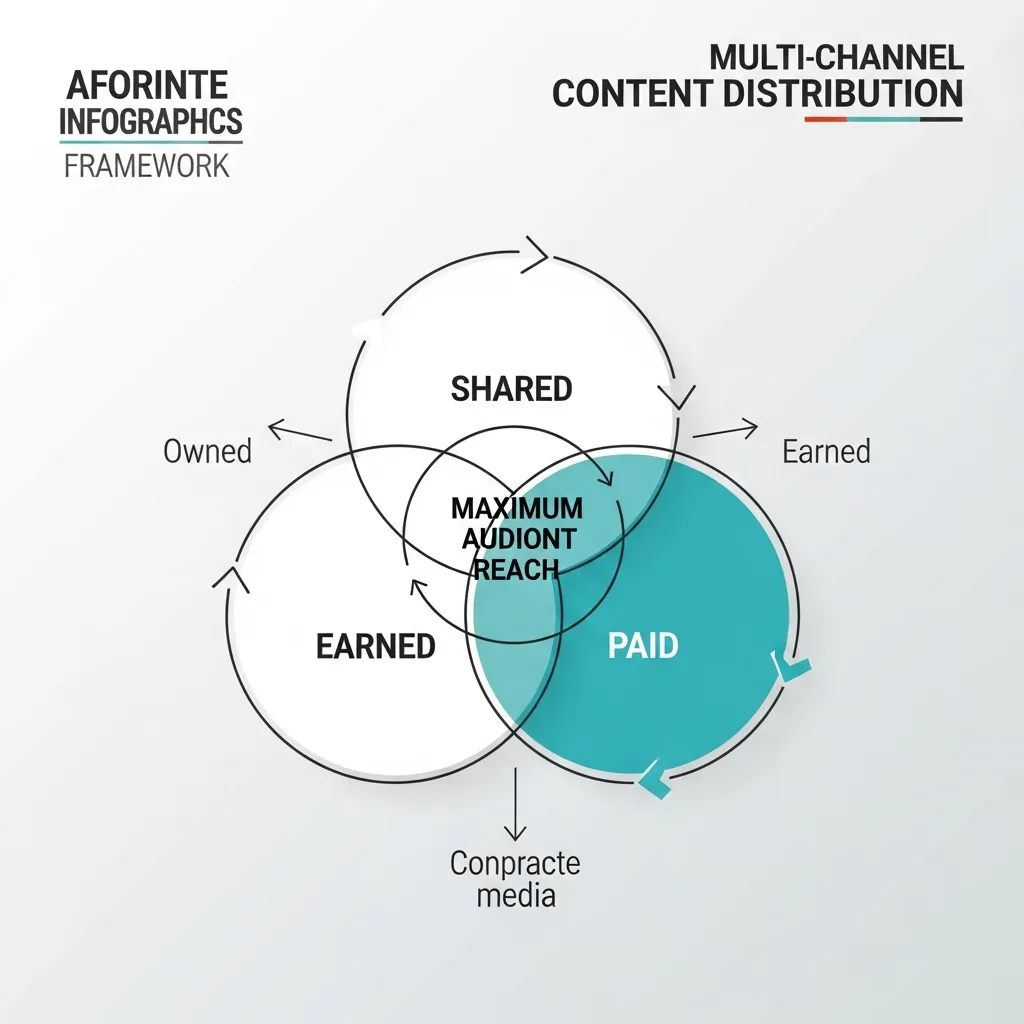
Consider a scenario where a B2B SaaS company launches an in-depth whitepaper. Without a multi-channel strategy, merely publishing it on their blog and sharing it once on LinkedIn might reach only a fraction of their potential audience. A truly effective approach demands a coordinated effort across owned, shared, earned, and paid media.
Owned Media: Leveraging Your Core Assets
Owned media represents channels directly controlled by your brand, offering unparalleled control over messaging and audience engagement. Maximizing these assets is foundational to any robust distribution strategy. Email marketing stands out as a powerful owned channel, allowing for direct communication with an engaged audience.
Beyond general newsletters, segmenting your email lists enables highly personalized content delivery. For instance, sending a detailed case study to a segment interested in a specific product feature can significantly boost engagement. Internal newsletters also play a crucial role—not just for internal communication, but for transforming employees into brand advocates who can organically share content within their own networks.
Furthermore, your website and blog serve as central hubs, optimized to capture and nurture leads through strategic content placement and clear calls to action. Field observations indicate that nurturing existing subscribers through targeted email sequences often results in higher conversion rates than relying solely on new acquisitions.
Shared Media: Tailoring for Organic Social Reach
Shared media encompasses social media platforms where users engage with your content organically. Success here hinges on understanding each platform's unique culture, audience demographics, and preferred content formats. Simply cross-posting identical content across all platforms is ineffective.
For a long-form article, LinkedIn might be ideal for professional discussions and abstract summaries, while Instagram could feature a compelling infographic derived from the same data. X (formerly Twitter) demands concise, attention-grabbing snippets with a link to the full piece, while Facebook often benefits from a conversational tone and community-focused questions.
The goal is to tailor content to maximize organic reach and encourage genuine interactions, fostering community and driving traffic back to your owned media properties. Practical experience shows that video snippets or visually rich summaries perform exceptionally well on platforms like Instagram and TikTok, even for traditionally text-heavy content.
Earned Media: Building Credibility Through Outreach
Earned media refers to third-party endorsements and mentions you "earn" through value and outreach; it is often considered the most credible form of promotion. This includes PR outreach to industry publications, journalists, and bloggers who might feature your content or cite your expertise.
Effective strategies involve crafting compelling pitches that highlight the unique value of your content to their specific audience. Community outreach extends to participating in relevant online forums, Q&A sites, and industry groups, where you can offer valuable insights and strategically link back to your authoritative content when appropriate. Guest posting on reputable industry blogs is another potent earned media tactic, expanding your reach to new, relevant audiences. The key is to focus on building genuine relationships and providing value rather than overt self-promotion.
Paid Media: Targeted Amplification and New Audiences
Paid media offers immediate amplification and precise targeting capabilities, making it indispensable for reaching new audiences and boosting content that is already performing well. This includes social media advertising (e.g., LinkedIn Ads, Facebook Ads), where you can target specific demographics, interests, job titles, or lookalike audiences based on your existing customers.
PPC (Pay-Per-Click) advertising, such as Google Ads, allows you to place your content at the top of search results for relevant keywords. Display advertising can also extend your reach across various niche websites. Paid media is particularly effective for promoting high-value assets like whitepapers, webinars, or comprehensive guides. Analytical data suggests that well-optimized paid campaigns can significantly reduce the time-to-value for content, especially when targeting niche professional audiences.
The Content Activation Blueprint: Cohesive Cross-Channel Launches
To truly harness the power of a multi-channel approach, a cohesive timeline for cross-channel launches is paramount. This blueprint ensures that all promotional efforts are synchronized, building momentum and amplifying impact.
Pro Tip: Don't launch everything simultaneously. A staggered approach—starting with owned media, then expanding to shared, earned, and paid—allows for testing, iteration, and gathering initial engagement data to refine subsequent promotions.
Here is "The Content Activation Blueprint," a step-by-step process for coordinated content launches:
- Content Finalization & Asset Creation (Week 1):
- Finalize core content (e.g., article, report).
- Develop channel-specific assets: email snippets, social graphics, short videos, and ad copy.
- Identify target publications and influencers for earned media outreach.
- Owned Media Launch & Initial Push (Week 2, Day 1-3):
- Publish content on your website or blog.
- Send initial email announcements to segmented lists.
- Share internally to encourage employee advocacy.
- Shared Media Rollout & Engagement (Week 2, Day 3-7):
- Post tailored content to key organic social channels (LinkedIn, X, Facebook, etc.).
- Engage actively with comments and shares.
- Schedule follow-up posts for the coming weeks.
- Earned Media Outreach & Follow-up (Week 2-3):
- Send personalized pitches to identified media contacts and influencers.
- Follow up strategically, providing additional context or data.
- Participate in relevant community discussions.
- Paid Media Amplification (Week 3 onwards):
- Launch targeted social media ad campaigns.
- Initiate PPC campaigns for high-intent keywords.
- Monitor performance, optimize bids, and refine targeting based on initial data.
- Performance Review & Iteration (Ongoing):
- Track key metrics across all channels (traffic, engagement, conversions).
- Identify top-performing channels and content formats.
- Adjust future promotional efforts based on these insights.
This structured approach transforms content distribution from a series of isolated actions into a powerful, synchronized engine for maximum audience reach.
Extending Content Life Through Strategic Repurposing
Extending content reach far beyond the initial publication date is crucial for sustained impact. Repurposing transforms long-form articles into diverse, channel-specific assets. Break down comprehensive guides into bite-sized social snippets, such as compelling quotes, actionable tips, or key data points, which are ideal for engaging audiences on platforms like LinkedIn and X.
Field observations indicate that visual content significantly boosts engagement; consider converting complex information into dynamic infographics or short video explainers for Instagram, Pinterest, or YouTube to cater to visual learners. For broader distribution, content syndication is highly effective. To prevent SEO penalties, always ensure syndicated versions include a canonical tag pointing to the original source. Practical experience shows that delaying syndication by 7-14 days also helps search engines recognize the primary content, maintaining your original article's search authority.
Amplifying Reach via Influencer and Community Partnerships
Amplifying content reach significantly benefits from strategic influencer and community partnerships. Engaging niche micro-influencers often yields higher engagement due to their authentic connection with specific audiences. This approach focuses on relevance over follower count, ensuring deep resonance with the target market.
Concurrently, active participation in industry forums like Reddit or Quora positions your brand as a valuable resource. Rather than direct promotion, offer genuine insights and strategically link to high-value content only when it contributes meaningfully to the discussion.
Furthermore, collaborative content creation with these partners inherently amplifies promotion. Co-authored articles or joint webinars instantly expand the distribution network, as both parties share the final product across their respective channels. This integrated strategy maximizes visibility while fostering trust.
Measuring Success: Data-Driven Promotion Analytics
Effective content promotion hinges on rigorous data-driven analysis. Key Performance Indicators (KPIs) such as reach, impressions, engagement rates, and click-through rates (CTR) are fundamental for assessing distribution effectiveness across each channel. These metrics are vital for understanding content performance and initial audience reception.
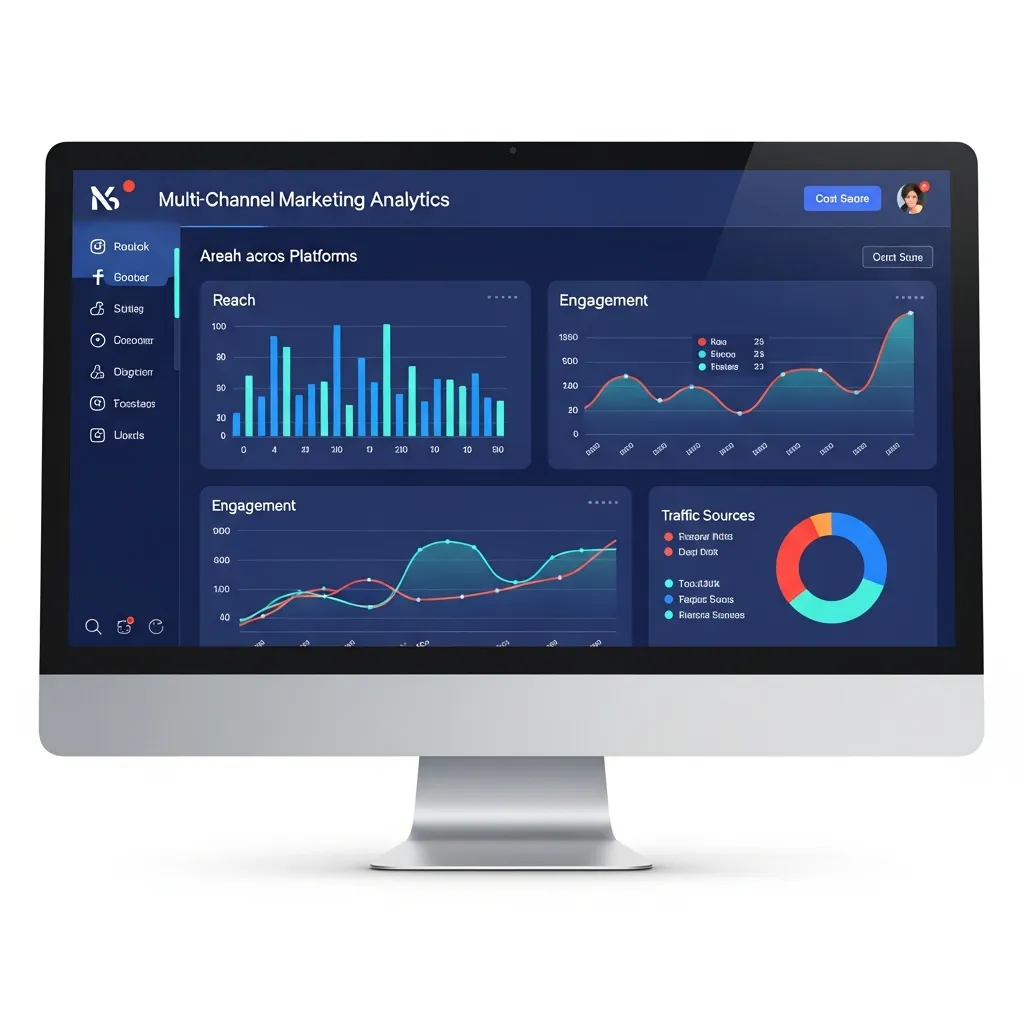
Meticulously tracking referral traffic using robust UTM parameters is crucial to pinpoint exactly which sources drive valuable visitors to your content. Practical experience shows that comprehensive conversion attribution further links promotional efforts directly to desired business outcomes, whether it is lead generation or increased brand awareness. Currently, this granular data empowers marketing professionals to continually refine and pivot promotion tactics, optimizing messaging, reallocating paid budgets, and adjusting channel focus for maximum resonance and ROI.
Strategic Insights for Scaling Content Visibility
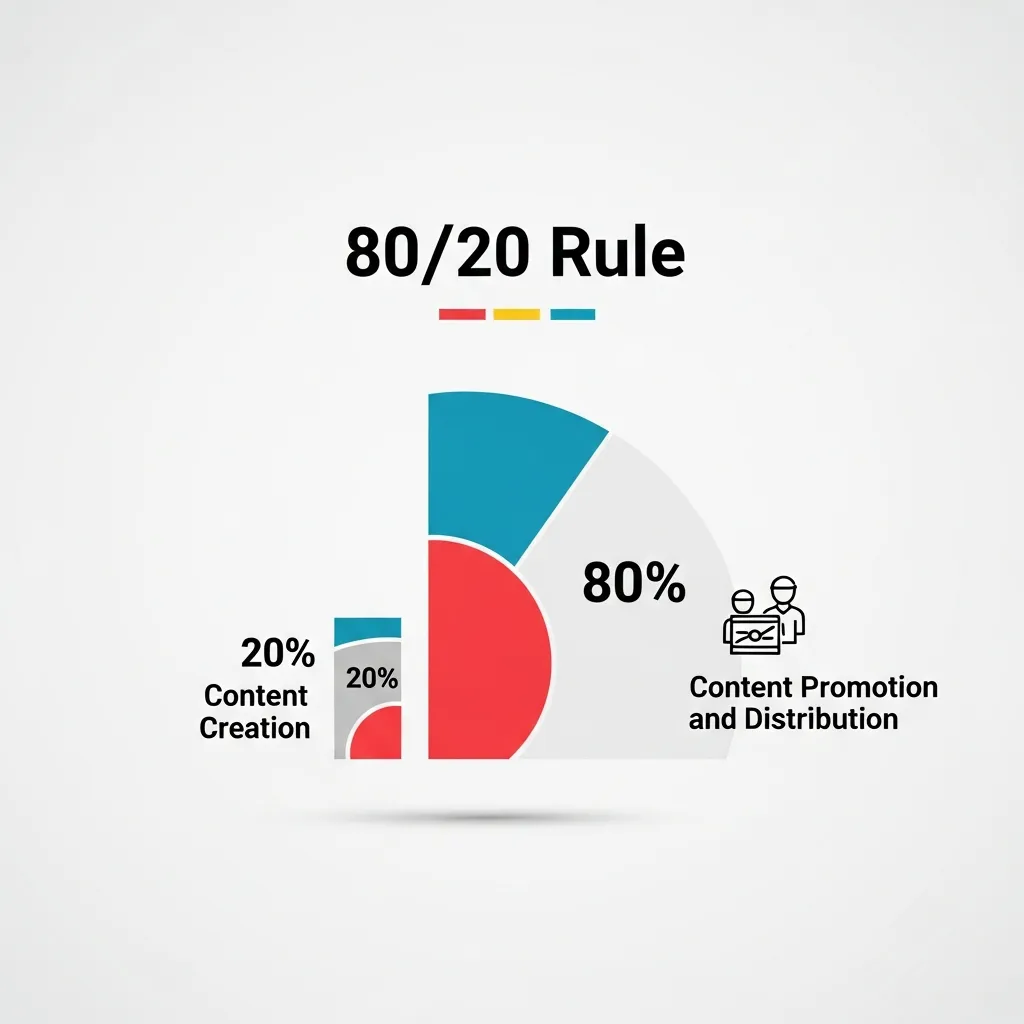
To truly scale content visibility, adopt the 80/20 rule: dedicate 80% of your effort to promotion and 20% to creation. In my experience, many marketers focus too heavily on content generation while neglecting crucial distribution. A common mistake I've encountered is treating promotion as an afterthought, leading to brilliant pieces gathering digital dust and underperforming.
Instead, prioritize building long-term relationships with your audience. One-off shares offer fleeting spikes, but sustained engagement fosters loyalty and organic amplification. I firmly believe that consistency in content promotion through regular interaction and value delivery always outperforms sporadic attempts at viral fame. Brands that consistently share valuable insights often see significantly higher referral traffic than those relying on infrequent, high-effort pushes.
Common Distribution Pitfalls to Avoid
A common mistake I've encountered in content promotion is the over-reliance on automated cross-posting. While convenient, it often leads to ignoring platform-specific formatting and culture. This results in content feeling generic and underperforming; for instance, a LinkedIn post requires a different tone and structure than an Instagram story.
Furthermore, many marketers fail to engage with the audience after sharing. In my view, true promotion extends beyond merely hitting "publish." Active engagement—responding to comments and fostering dialogue—is paramount. Without this crucial step, content quickly becomes a monologue, diminishing its potential reach and influence.
Final Thoughts on Long-Term Content Growth
Embracing a multi-channel promotion strategy across social, email, and paid channels ensures maximum reach. In my experience, impactful content thrives when promoted systematically. Adaptability is also crucial; platform changes necessitate constant evolution of your tactics.
Many believe content quality is the only factor that matters, but a robust promotion plan can boost content visibility by over 40%. Don't delay—start implementing a structured promotion strategy today. Practical experience shows that immediate, consistent action drives sustained growth. Begin building your multi-channel content distribution framework now.
Frequently Asked Questions
What is content promotion?
Content promotion is the strategic process of distributing and amplifying content across various channels like social media, email, and paid ads to maximize visibility and audience engagement.
Why is content promotion important for SEO?
Effective promotion drives referral traffic and helps earn high-quality backlinks, which are essential for building brand authority and improving search engine rankings.
What are the four main types of content distribution channels?
The framework consists of Owned Media (your website/email), Shared Media (social networks), Earned Media (PR/outreach), and Paid Media (advertising).
What is the 80/20 rule in content marketing?
The 80/20 rule suggests that you should spend 20% of your time creating content and 80% of your time promoting it to ensure it reaches its full potential audience.